How to Prep Walls Before Painting: A Professional Painter's Guide
Why Wall Preparation Is the Most Important Step in Any Paint Job
Ask any professional painter what makes the biggest difference in a painting project, and they'll tell you the same thing: preparation. At GQ Custom Painting, we spend more time prepping surfaces than actually painting — because that's what separates a paint job that lasts 10+ years from one that peels and cracks within months. Whether you're a DIY homeowner or just curious about how the pros do it, this guide covers every step of proper wall preparation before painting.
Step-by-Step Wall Prep for Interior Painting
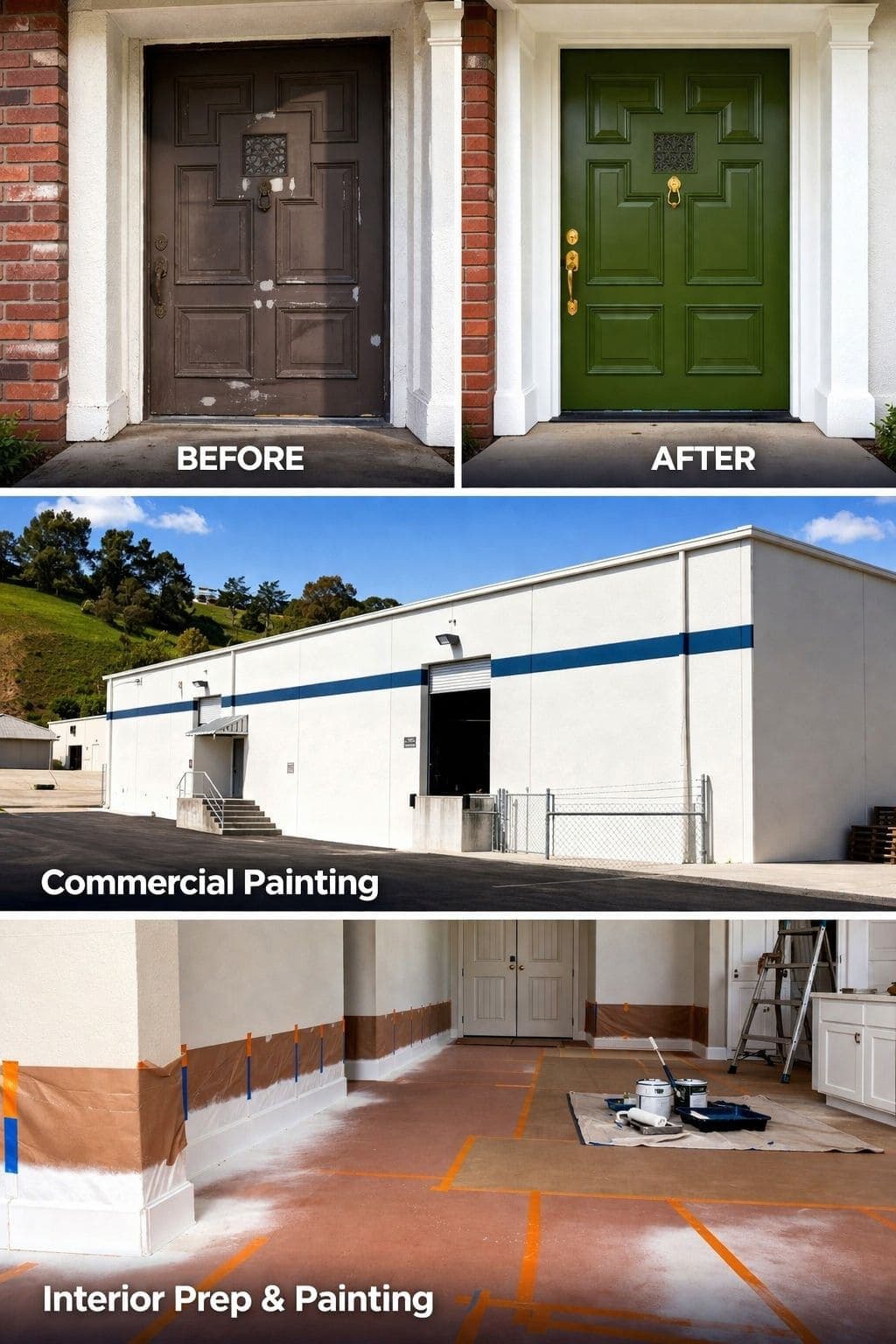
- Clear the Room: Move furniture to the center or out of the room. Remove wall art, switch plates, outlet covers, and curtain hardware. Lay drop cloths over floors and any remaining furniture.
- Clean the Walls: Dust and grease prevent paint from adhering properly. Wipe down walls with a damp cloth or TSP (trisodium phosphate) solution, especially in kitchens and bathrooms where grease and moisture build up.
- Patch Holes and Cracks: Use spackle or lightweight joint compound for small nail holes. For larger holes or cracks, use mesh tape and drywall mud, let it dry fully, then sand smooth. This step is critical for a flawless finish.
- Sand the Surface: Lightly sand glossy or previously painted surfaces with 120–150 grit sandpaper to create a 'tooth' for the new paint to grip. Sand any patched areas smooth and level with the wall.
- Caulk Gaps and Seams: Run a thin bead of paintable caulk along baseboards, crown molding, window casings, and door trim. Smooth with a wet finger for a clean line. Caulking eliminates unsightly gaps and gives your paint a professional edge.
- Tape Off Trim: Apply painter's tape (we prefer FrogTape) along all edges you want to protect — trim, ceilings, and adjacent walls. Press the edge firmly to prevent bleed-through.
- Prime: Apply primer over patched areas, stained spots, bare drywall, and any surface changing from dark to light. Use a stain-blocking primer (like Zinsser or KILZ) for water stains and tannin bleed. Primer ensures even color and maximum adhesion.
Common Wall Prep Mistakes to Avoid
- Skipping the cleaning step — paint won't stick to dusty, greasy, or dirty walls, period.
- Not priming patches — spackled areas absorb paint differently than the surrounding wall, leaving visible 'flashing' marks.
- Using cheap painter's tape — low-quality tape bleeds, leaves residue, and pulls off paint when removed.
- Painting over wallpaper — this almost always leads to bubbling and peeling. Remove wallpaper and prep the bare surface.
- Rushing dry times — let every coat of compound, primer, and caulk dry fully before the next step. Patience pays off.
Let the Pros Handle It — GQ Custom Painting
Proper wall prep takes time, patience, and experience. If you'd rather leave it to the professionals, GQ Custom Painting handles every step — from patching and sanding to priming and painting — so you get a flawless finish without lifting a finger. Serving Pasadena, Altadena, Whittier, Downey, and all of LA County. Call (626) 567-1166 for a free estimate. Lic# 1152048.